

A styled shoot wedding editorial is one of the most exciting investments you can make in your business. It gives you creative control, portfolio images that reflect the work you actually want to book, and a reason to collaborate with vendors you admire. But there can easily be a version of this event that goes beautifully, and a version that eats an entire Saturday and leaves everyone feeling frustrated. The difference is almost always in the planning.
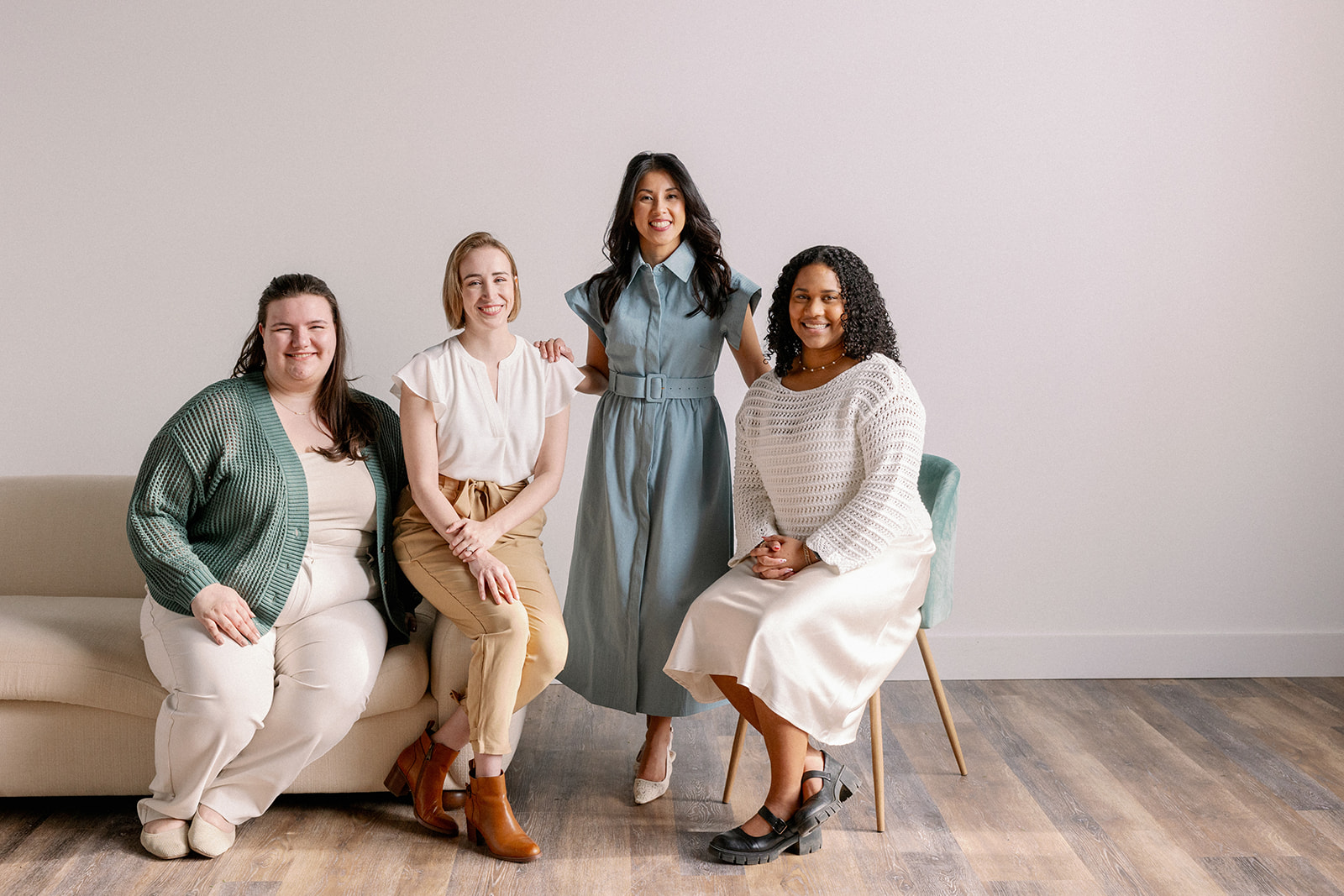
I’m Desirée Adams, a wedding planner and designer based in the Hudson Valley and serving clients across the Northeast. Over the years at Verve Event Co., I’ve planned and produced styled shoots at every scale. I know what makes them work, and I know exactly where things tend to fall apart.
This post is for planners who are ready to approach a styled shoot with the same intentionality they bring to a real wedding. I'm sharing how to structure the day, who to bring on, and how to protect both your time and your vision from the first planning call through the final gallery delivery.
1. Start With One Clear Goal for Your Styled Shoot
Before you reach out to a single vendor or create a new Pinterest board, you need to know what you’re really trying to accomplish with the styled shoot.
This sounds pretty obvious, but it’s where most shoots lose focus. “I want beautiful images I can use in my portfolio” is not a clear goal. It's just an outcome. The goal is what drives every decision that goes into planning and executing.
Ask yourself: What is this shoot for?
- Building out a specific niche in your portfolio (micro-weddings, luxury tablescapes, a particular aesthetic)
- Submitting to a publication or blog
- Launching a new service or repositioning your brand
- Connecting with a venue or vendor you want to build a relationship with
Ultimately, your goal will shape your vendor list, your vignettes, your timeline, and your submission strategy. A shoot aimed at publication looks entirely different from one aimed at brand repositioning. Getting clear here, and early on, saves you from a beautiful-but-pointless day.
Write down your goal. Then, make sure every person involved knows it.
2. Build a Vendor Team That's Aligned Before Day One
With your goal in hand, you can start thinking about who belongs in the room. Your vendor team is not just a list of people bringing things. It’s a creative collaboration where alignment matters from the start.
Here are a few principles for assembling a strong team:
- Choose vendors whose aesthetic already matches the direction of the shoot. It's harder than it looks to ask someone to shoot or style outside their natural voice. Look at their recent work and make sure it feels like a fit not just technically, but tonally.
- Be explicit about the goal. Every vendor coming into this shoot should know whether it’s submission-bound, portfolio-building, or relationship-focused. That context shapes how they approach their contribution.
- Consider adding a content creator to your team. This is one of the most underutilized roles in a styled shoot, and it makes a real difference. A dedicated content creator, someone whose job is capturing short-form video and behind-the-scenes footage, means you walk away with social-ready content alongside your photographer's gallery. You won’t be asking your photographer to pull double duty, and you’ll have actual video content to use across Instagram, TikTok, and your website without scrambling to piece something together after the fact.
- Clarify deliverables and timelines upfront with every vendor. What are they contributing? What will they receive? When will they have access to images? Clear expectations at the start prevent friction later.
A well-briefed vendor team is what separates a styled shoot that feels energized and intentional from one that stalls out on set.
3. Choose Your Venue Before You Lock In Any Other Details
The venue is the anchor of everything else. It sets the tone, the color palette, and overall aesthetic of the shoot. Starting with your vendor roster before you have a venue confirmed is working backward.
When evaluating venues, think beyond just “it’s pretty.” Consider:
- Does the aesthetic align with the goal of this specific shoot?
- What does the natural light look like at different points in the day?
- Are there multiple distinct spaces to shoot, or are you working within a single setting?
- What does the venue want in return? Credit, images, a specific timeline window?
Some venues are ideal partners for styled shoots because they’re actively building their own portfolio too. That shared interest can open doors, offer flexibility on fees, and create a collaborative dynamic.
Once the venue is confirmed, everything else snaps into place more naturally, including the florals, the tabletop details, and the styling direction.

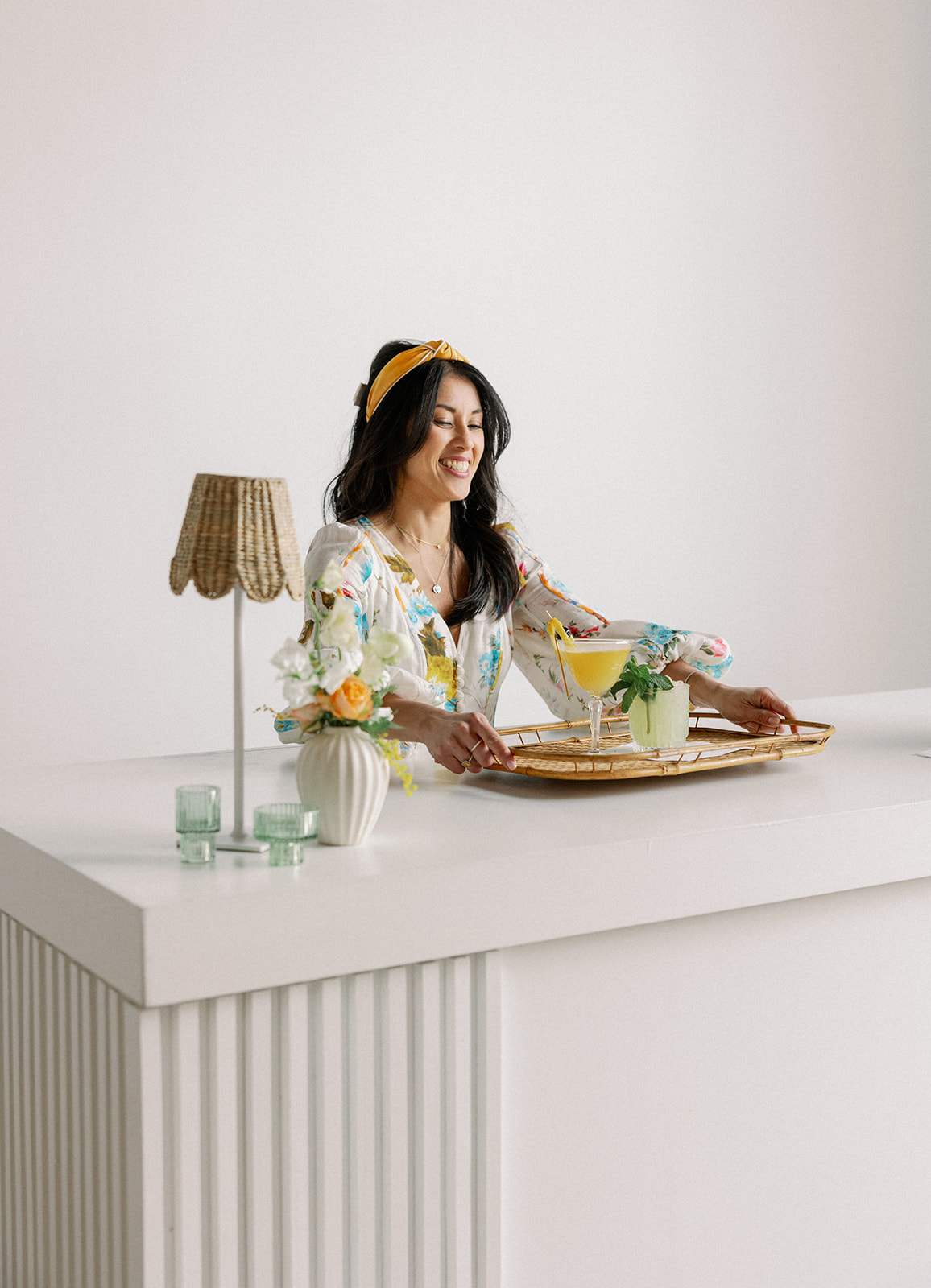
4. Design the Shoot With Publication or Portfolio Goals in Mind
Not every styled shoot is submission-bound, but it’s worth thinking about where these images will live before you design the shoot. That end destination shapes what you need to add to your shot list.
If you’re targeting a publication: Research their submission guidelines before you start building out your concept. Different outlets have different preferences around diversity, aesthetic direction, region, and story. Designing toward a specific outlet gives you a tighter creative brief and a better shot at acceptance.
If you’re building portfolio: Think about what your current portfolio is missing. Is it a specific price point, a season, a vibe, a venue type? Design the shoot to fill that gap deliberately rather than recreating work you already have.
Either way, thinking through the full shot list in advance is what ensures you leave with a complete and cohesive gallery. An editorial that tells a beginning-to-end story will always serve you better than a beautiful collection of disconnected images.
The more intentional you are in the design phase, the more useful the final gallery will be. If this is your first styled shoot, read my post on how to plan a styled shoot for my best advice.
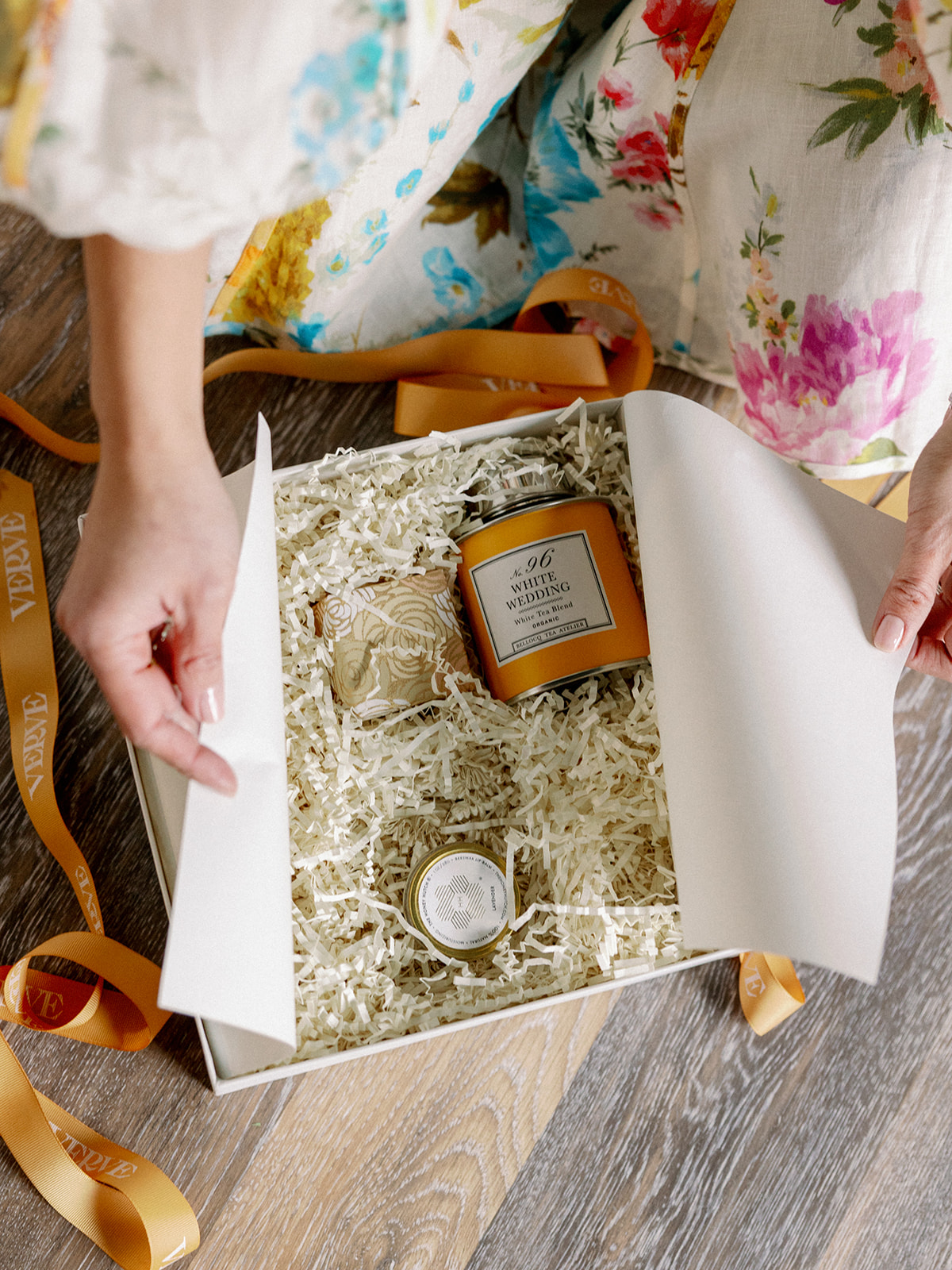
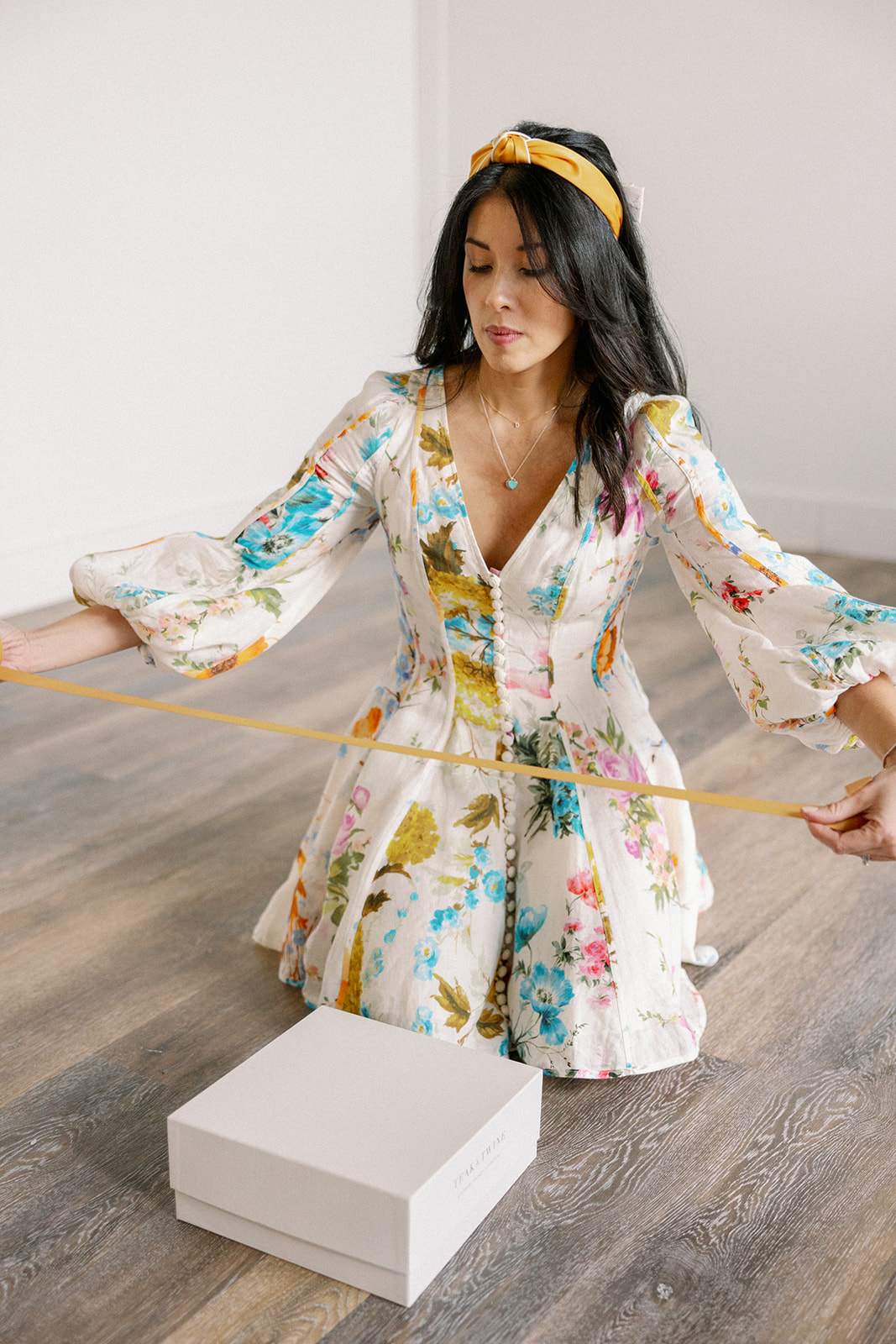
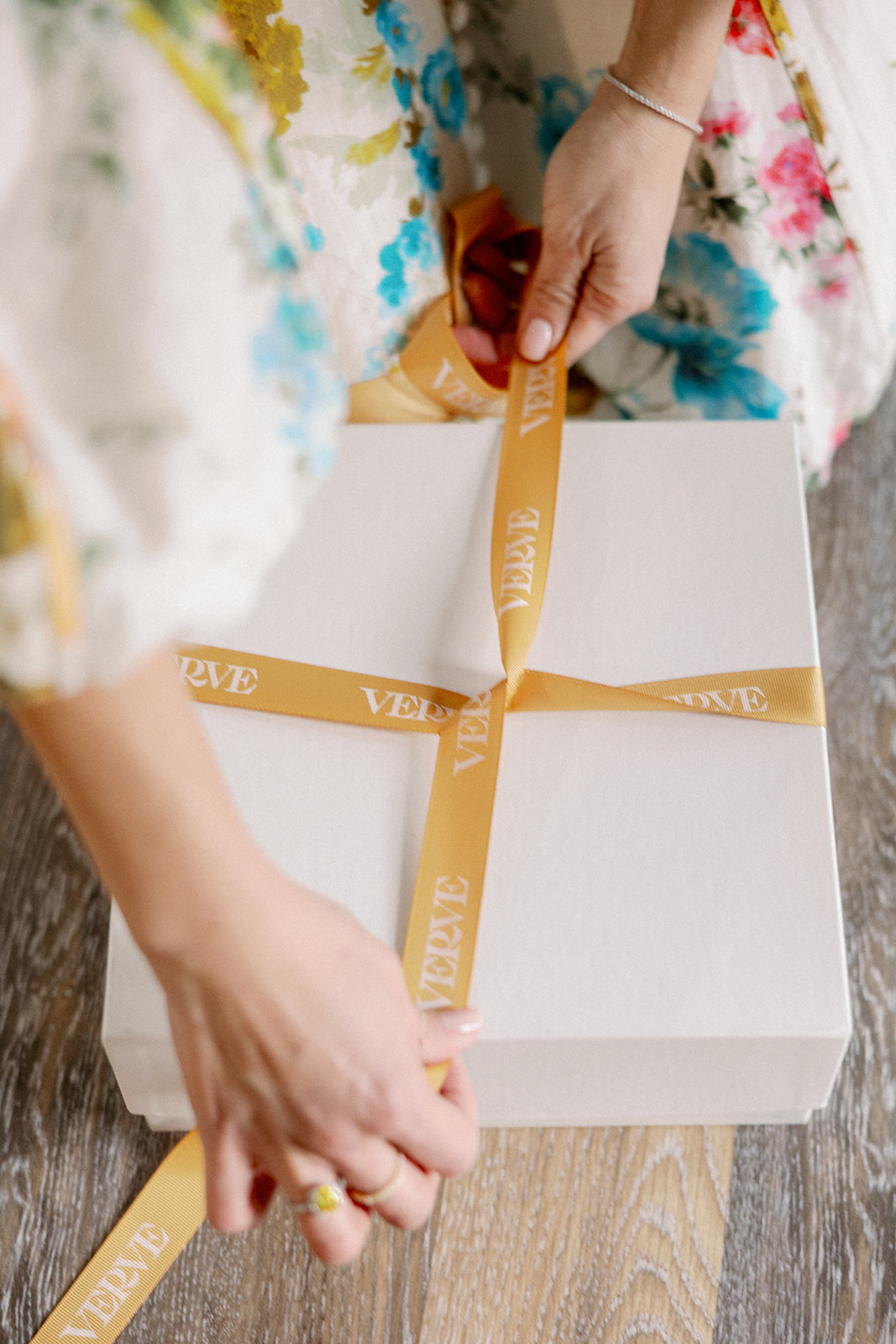
5. Create a Shot List That Respects Everyone's Time
Remember, a shot list is not a wish list. It is a working document that drives your timeline and keeps every person on set oriented to what needs to happen and when.
Structure your shot list by vignette. Common vignettes in a styled shoot wedding editorial include:
- Ceremony setup (arch, aisle, seating)
- Reception tablescape (full table, place settings, details)
- Florals and flat lays
- Invitation suite and paper goods
- Cake or dessert spread
- Couple portraits in multiple settings
- Venue-specific features worth highlighting
For each vignette, note the setup time required, the shots needed, and who is responsible for that space being ready. This is where your run-of-show connects directly to the shot list.
Assign realistic time blocks. It is better to go deep on fewer vignettes than to rush through a full lineup and end up with nothing fully realized. Every vendor on set took time out of their schedule to be there. Honoring that starts with a shot list that actually fits the day.
6. Think Through the Styling Details at Every Vignette
The shot list tells you what to capture. The styling plan tells you what each of those frames will look like. These are two separate things, and both deserve attention before the shoot day.
For each vignette, work through the details in layers:
- Foundation: What are the large-scale elements such as the table linen, the arch structure, the backdrop? These need to be sourced, confirmed, and arranged for delivery well in advance.
- Mid-layer: Florals, tabletop pieces, candles, rentals. Coordinate with each vendor on what they’re providing so there are no gaps and no duplicates.
- Details: The stationery, the favor details, the ribbon, the small-but-photogenic elements that make a flat lay or table shot feel complete. These are easy to forget and easy to bring if you plan ahead.
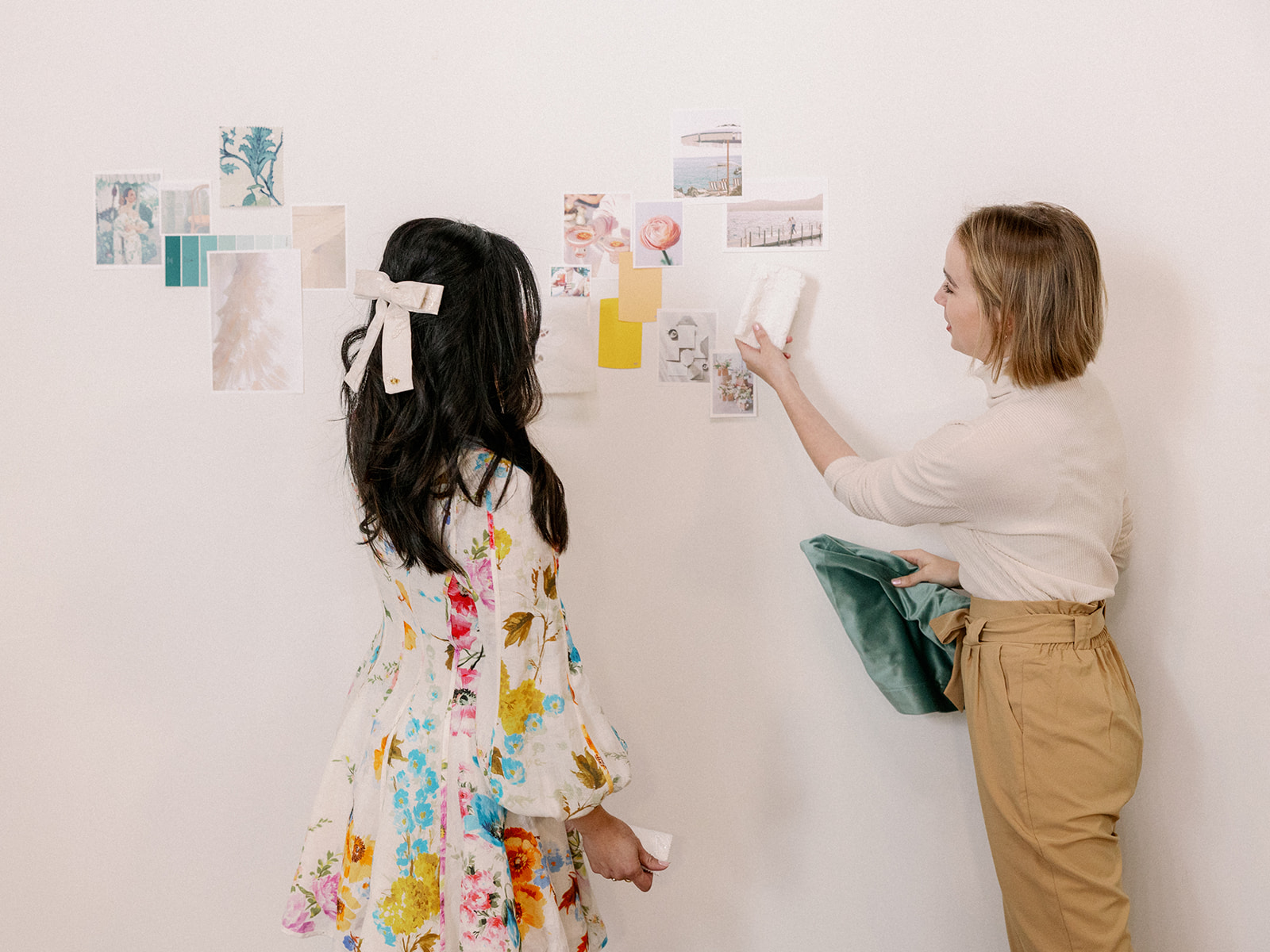
Create a vignette-by-vignette checklist and share it with your team before the shoot. When everyone knows what they’re responsible for bringing, you eliminate the scramble that eats into shooting time and tests everyone’s patience.
The styled shoot wedding editorial that ends up in your portfolio or in a publication is built in the planning, not improvised on the day.
7. Know What Happens After the Shoot Is Over
The shoot day is only part of it. What you do after, and how you’ve prepared your team for what comes next, matters just as much.
A few things to have sorted before anyone packs up and leaves:
- Image turnaround and sharing protocol. When will the photographer deliver the gallery? Who gets access first? If vendors are submitting to publications independently, make sure everyone is aligned on exclusivity windows and submission timelines.
- Submission strategy. If publication is the goal, decide in advance who is leading the submission and to which outlets. Submitting to multiple places simultaneously without disclosure can burn bridges quickly in this industry.
- Credit and tagging. Put together a shared credit list before the shoot so it’s ready to go the moment images are published. Confirm handles, preferred tagging formats, and whether anyone has specific requests.
- Content rollout. Think about how you’ll release images across your own platforms. A phased rollout, starting with publication first, then website, then social, tends to perform better than dropping everything at once. This is also where that content creator footage comes into play. You’ll have a library of video content to schedule out alongside your static images, which extends the reach of the shoot well beyond a single post.
A styled shoot without a post-shoot plan is a missed opportunity. The work you put into one day of shooting can generate content, credibility, and connections for months if you plan for it.

The Best Styled Shoots Are the Most Planned Ones
There is a reason the shoots that generate the most buzz, land in the best publications, and actually move the needle for a wedding business are not the spontaneous ones. They're the ones where someone sat down, thought it through, and built a plan before anyone touched any details.
Approaching a styled shoot wedding editorial with the same rigor you bring to a client event is not overkill. It's what makes the whole thing worth doing.
If you want to go deeper on the production side with run-of-show templates, timeline structure, and vignette planning, my Styled Shoot Mini-Course walks through exactly that. And if you’re thinking bigger picture about the direction of your planning business and how shoots like this fit into your positioning strategy, my Wedding Planner Mentorship is where we can work through that together.
You put the work in before the wedding day. Now do the same with a styled shoot, and the results will show it.


comments +